
The Final Decision: Turning Research Into a Confident Home Purchase

After researching properties, attending viewings, reviewing documents, and considering costs, buyers may find themselves facing a different challenge: deciding which option is genuinely right. More information does not always make the choice easier. When several properties have appealing features, the final decision requires a structured way to weigh competing advantages and disadvantages.

A comparison framework can help bring clarity to the process. Buyers may evaluate each property according to condition, layout, location, expected ownership expenses, storage, accessibility, and future adaptability. The criteria should reflect personal priorities rather than a generic ranking of what makes a home desirable.

Assigning importance to each factor can improve the comparison. For one buyer, a functional workspace may be essential; for another, limited maintenance requirements may matter most. A property that performs exceptionally well in a less important category should not automatically outweigh one that better satisfies the household’s core needs.

Unresolved questions deserve a separate record. These may include uncertain repair costs, missing documentation, unclear boundaries, incomplete renovation details, or unanswered questions about recurring expenses. Each item should be investigated according to its potential impact. Some uncertainties are minor and easy to resolve, while others may materially change the decision.

Buyers should distinguish between confirmed facts and assumptions. A seller’s estimate of repair costs, for example, may be useful background, but an independent assessment can provide stronger evidence. Similarly, a room that appears suitable for conversion may require technical checks before the proposed use can be confirmed.

It is also helpful to revisit the original budget before making a commitment. Excitement can gradually shift attention toward what is possible rather than what is comfortable. Recalculating the full financial commitment, including immediate expenses and expected maintenance, helps ensure that the chosen property remains within reasonable limits.

Emotional responses should not be ignored. A home is not merely a collection of measurements and financial figures; comfort, privacy, atmosphere, and personal connection all contribute to satisfaction. The key is to consider these feelings alongside objective findings rather than allowing either side to dominate the decision.

Time pressure can complicate the process. Buyers may worry that another person will purchase the property first or that a preferred option will disappear. Although deadlines sometimes require prompt action, pressure alone does not make an unsuitable property a good choice. Important legal, financial, and technical questions should be resolved as thoroughly as the circumstances permit.

Before proceeding, buyers can review a final checklist: Is ownership adequately verified? Are the contract terms understood? Have significant defects been investigated? Is the complete budget realistic? Are the property’s main advantages aligned with the household’s needs? Are any remaining uncertainties acceptable?

The answers will not eliminate every risk, because property purchases inevitably involve some uncertainty. They can, however, establish whether the decision rests on a sound foundation.

A confident purchase is not necessarily the one made without hesitation. It is the one made after the important facts have been examined, the alternatives have been compared, and the trade-offs have been understood. With a disciplined process, buyers can move forward knowing why a particular home fits their needs and which responsibilities come with the decision.


The Art of a Strong Offer: Negotiating With Clarity and Purpose

Negotiating for a home is often portrayed as a contest in which one party must defeat the other. In practice, successful negotiations depend on preparation, clear priorities, credible reasoning, and an understanding of what each side needs from the transaction. A well-structured offer does more than state a number; it communicates that the buyer has considered the property and is prepared to proceed on defined terms.

Preparation begins before the first offer is submitted. Buyers should review comparable properties, assess the home’s condition, and identify features that influence its value. Relevant comparisons include size, layout, general condition, age, functionality, and other characteristics that affect desirability. Asking prices can provide context, but they do not necessarily reflect the amounts buyers are ultimately willing to pay.

A buyer should also establish a personal financial limit. This figure should reflect affordability, expected ownership costs, and the property’s perceived value rather than the emotional pressure of competing with another interested party. Deciding on a limit in advance makes it easier to resist escalating an offer simply because the purchase feels close.

The structure of an offer matters alongside its financial terms. Completion timing, deposit arrangements, included appliances, requested repairs, and conditions relating to inspections or financing may influence the seller’s response. A seller who needs a predictable completion schedule may value certainty, while another may prioritize flexibility or fewer outstanding conditions. Understanding these priorities can reveal possible areas of agreement.

Communication should remain specific and respectful. If a buyer proposes a lower amount because repairs are needed, the explanation is stronger when supported by inspection findings or reasonable cost estimates. General statements that a property is overpriced are less useful than clearly identifying the factors behind the proposed terms.

Negotiation also requires knowing when to pause. A counteroffer can create pressure to respond immediately, but buyers benefit from reviewing each change against their original objectives. If the seller introduces new conditions, those terms should be evaluated as carefully as the purchase price.

It is equally important to understand the limits of informal promises. Agreements about repairs, included items, or completion arrangements should be recorded appropriately in the transaction documents. Verbal assurances may not provide the clarity or enforceability that buyers expect.

A strong negotiation does not always produce the lowest possible price. It produces terms that the buyer understands, can afford, and considers reasonable in light of the property’s condition and overall value. Sometimes the most effective decision is to proceed; at other times, declining to continue protects the buyer from an unsuitable commitment.

The best negotiators combine confidence with discipline. They remain open to compromise where it serves a purpose, but they do not abandon essential requirements merely to complete a transaction. This balance helps turn a potentially stressful exchange into a structured decision-making process.

Future-Proofing the Smart Home: A Strategy for Long-Term Flexibility

Smart home technology changes quickly, but residential systems are expected to remain useful for years. A device that appears advanced at the time of purchase may eventually lose software support, become incompatible with newer equipment, or depend on a service that is no longer available.

Future-proofing does not mean predicting every technological development. It means making choices that preserve flexibility, reduce unnecessary dependencies, and allow a home to evolve without repeated major replacements.

Interoperability Before Brand Loyalty

A connected ecosystem may function smoothly while all its products come from one manufacturer, but long-term flexibility depends on understanding how those products interact with external systems.

Communication standards such as Matter can improve interoperability among supported devices, although actual capabilities vary by product and platform. Certain functions may still require a manufacturer’s application or a specific controller.

Before purchasing equipment, it is useful to distinguish between basic compatibility and full feature support. A device may connect successfully while offering only a limited set of controls through another platform.

The Case for Modular Architecture

A modular smart home separates major functions into components that can be upgraded independently. Lighting, environmental sensors, network equipment, and central control do not necessarily need to be replaced at the same time.

This approach can reduce disruption when a particular device reaches the end of its useful life. It also makes troubleshooting easier because individual components can be evaluated without redesigning the entire installation.

Modularity requires planning. Communication requirements, controller capacity, electrical installation, and supported integrations should be documented before the system becomes difficult to change.

Local Control and Service Independence

Cloud-based services provide remote access and may enable advanced features, but they can introduce dependence on external infrastructure. If an account becomes inaccessible or a service changes, selected functions may stop working.

Local control can preserve certain automations during internet interruptions and reduce dependence on external servers. However, the available functions depend on the hardware and software involved.

A useful purchasing question is whether essential operations remain available when the external connection fails. The answer can reveal more about long-term resilience than a long list of optional features.

Plan for Updates, Repairs, and Replacement

A product’s useful life depends on more than physical durability. Firmware support, replacement parts, battery availability, documentation, and repair options all influence how long it remains practical.

Before installation, record device models, controller requirements, network settings, and the purpose of important automations. Keep this information in a secure location rather than relying on memory or a single application.

Clear documentation becomes especially valuable when troubleshooting, replacing equipment, or transferring system management to another household member.

Design for Change, Not Complexity

A future-ready installation should be easy to expand, but expansion should remain purposeful. Every new device adds another configuration, maintenance requirement, and potential point of failure.

Simple automation rules, consistent naming, and clearly defined control priorities help prevent the system from becoming difficult to understand.

It is also wise to retain manual controls for everyday functions. A connected home should remain usable when a smartphone is unavailable, an application changes, or a network requires maintenance.

A Long-Term View of Domestic Technology

The most resilient smart home is built around dependable functions rather than fashionable features. It prioritizes interoperability, understandable controls, reliable software support, privacy, and the ability to replace individual components without rebuilding everything.

Technology will continue to evolve, and no installation can guarantee compatibility with every future product. Nevertheless, thoughtful architecture can reduce the cost and complexity of change.

Future-proofing is ultimately an exercise in preserving options. A well-planned home can adopt useful innovations at its own pace while maintaining the reliability and simplicity that make connected living worthwhile.

Hidden Expenses of Renovation: What Buyers Should Calculate Before Committing

A property that requires renovation can present an opportunity to create a more personalized living environment. It can also introduce financial and logistical challenges that are easy to underestimate during an initial viewing. Before committing to a home that needs work, buyers should understand the difference between a manageable improvement project and a renovation that could become substantially more demanding.

The first task is to identify the scope of the work. Cosmetic changes such as repainting, replacing cabinet handles, or updating light fixtures are generally different from projects involving plumbing, electrical systems, structural components, or extensive moisture damage. The visible condition of a room may not reveal the full amount of work required beneath its surfaces.

Prioritization helps make the project more manageable. Essential repairs should be distinguished from improvements that can be completed later. Addressing a leaking roof or an unsafe electrical installation generally takes precedence over choosing decorative finishes. This sequence protects the building and reduces the risk of investing in cosmetic work that must be removed during later repairs.

Obtaining professional assessments can clarify the scope of major projects. Contractors or qualified specialists may identify necessary repairs, recommend suitable materials, and explain whether the proposed changes are technically practical. Where several trades are involved, coordination becomes important because the timing of one task may depend on the completion of another.

Material costs are only one part of a renovation budget. Labor, waste removal, delivery, temporary accommodation, permits, equipment hire, and unexpected repairs may also contribute to the final expense. Some projects uncover hidden problems only after work begins, particularly in older buildings or areas that have not been maintained consistently.

For this reason, a contingency reserve is a useful part of renovation planning. The appropriate amount depends on the project’s complexity, the quality of available information, and the condition of the property. A project involving extensive structural work carries different uncertainties from one focused on surface finishes.

Time should be evaluated as carefully as money. Delays can arise from material availability, scheduling conflicts, inspection requirements, or newly discovered defects. Buyers who intend to occupy the property immediately should determine whether essential rooms and systems will be usable when needed. An ambitious renovation schedule may not be realistic if several major tasks must be completed sequentially.

The purchase price should be considered alongside the projected cost of improvements. A lower-priced property may become less attractive when necessary repairs, temporary living arrangements, and future maintenance are included. Comparing the total expected commitment with the condition and functionality of alternative properties can help buyers determine whether the project makes practical sense.

It is also wise to distinguish between improvements that support personal preferences and work that addresses genuine defects. Expensive finishes may improve appearance, but they cannot compensate for unresolved structural or moisture problems.

Renovation can be rewarding when the scope is understood and the budget reflects realistic conditions. Buyers who investigate first, prioritize essential work, and account for uncertainty are better equipped to decide whether a property represents a suitable project or an unnecessary source of stress.

Location Is More Than an Address: Evaluating Everyday Convenience

A property exists within a larger environment, and that environment can shape daily life just as strongly as the building itself. A comfortable interior may lose some of its appeal if ordinary errands require complicated journeys, essential services are difficult to reach, or the surrounding area does not support the household’s routines. Evaluating location therefore means understanding how a place functions in everyday use.

One practical approach is to map a typical week. Consider the destinations visited regularly, including workplaces, educational facilities, grocery stores, medical services, recreational spaces, and social activities. The aim is not simply to count nearby amenities, but to understand how easily they can be incorporated into ordinary schedules.

Transportation options deserve particular attention. Buyers should consider access to public transport, road connections, walking routes, cycling infrastructure, and parking where relevant. A route that appears convenient on a map may feel different during peak travel periods or in poor weather. Testing important journeys at realistic times can reveal details that a short viewing would not show.

The immediate surroundings matter, too. Noise, traffic, lighting, pedestrian activity, and the condition of shared spaces can influence comfort. Buyers may benefit from visiting the area at different times of day, including evenings and weekends, to develop a more complete understanding of its character. A quiet afternoon does not necessarily represent conditions during the busiest part of the day.

Access to everyday services can also affect flexibility. A nearby grocery store may reduce the need for frequent driving, while a convenient transport connection can provide alternatives when vehicle access is unavailable. Outdoor spaces and recreational facilities may support exercise, relaxation, and social interaction.

Future changes should be considered cautiously. Planned construction, road alterations, infrastructure projects, or changes in nearby land use can affect the surrounding environment. Where relevant information is available, buyers can review planning records or consult appropriate local authorities. Rumors and informal predictions should not be treated as confirmed developments.

Location suitability is highly personal. Someone who works remotely may prioritize quiet surroundings and access to outdoor space, while a household with frequent commuting needs may place greater importance on transportation connections. Buyers should evaluate these factors against their actual routines rather than assuming that a particular type of neighborhood is universally desirable.

There is also value in considering how needs might change. Access to essential services may become more important if work arrangements shift, driving becomes less convenient, or household responsibilities evolve. A location that offers several practical options can provide greater adaptability over time.

The right surroundings are not necessarily the most fashionable or prestigious. They are the ones that support the buyer’s preferred way of living without creating persistent inconvenience. By observing real conditions, testing common journeys, and separating personal priorities from general impressions, buyers can make a more informed assessment of a property’s setting.

Reading Between the Lines: How to Evaluate a Property Listing Critically

Property listings are designed to attract attention. Carefully selected photographs, polished descriptions, and appealing feature lists help sellers present a home in its strongest light. However, marketing materials are not a complete assessment of a property. Buyers who learn to examine listings critically can identify useful questions before arranging a viewing.

The description should be compared with the available evidence. Words such as spacious, charming, recently improved, or move-in ready can communicate an impression, but they do not establish room dimensions, structural condition, or the quality of completed work. Buyers should look for measurable details that explain what the description actually means.

Photographs require similar caution. Wide-angle lenses can make rooms appear larger, while lighting and image processing may alter the appearance of finishes. A listing might show attractive views of the living room and kitchen but provide little visual information about bathrooms, storage areas, utility spaces, or the building exterior. Missing photographs do not automatically indicate a problem, but they can help identify areas that need closer inspection.

Floor area is another detail worth verifying. Listings may distinguish between internal living space, total built area, balconies, shared facilities, and other measurements. These figures are not necessarily interchangeable. Buyers should establish what the stated area includes and whether the measurement is supported by appropriate documentation.

Claims about renovations should be examined in context. A description might mention an updated kitchen or modernized bathroom without clarifying whether the work involved cosmetic replacements or improvements to underlying systems. Asking when renovations occurred, who performed them, and whether supporting records are available can provide a more complete picture.

Recurring costs may also be absent from the main description. Depending on the property, buyers may need to investigate shared maintenance charges, utility expenses, building management arrangements, or other ongoing obligations. These details can materially affect the overall suitability of a home even when they do not appear in the advertisement.

The surrounding environment should not be evaluated solely through listing photographs. Images rarely communicate ordinary noise levels, traffic patterns, privacy, or the condition of nearby shared spaces. An in-person visit, combined with independent research where appropriate, provides a more reliable understanding of the setting.

It is useful to prepare a short list of questions while reviewing a listing. Which important details are missing? Are the room dimensions clear? Is the property’s condition described specifically? Are there claims that require documentation? These questions transform passive browsing into a more disciplined evaluation process.

Comparing listings using consistent criteria can further improve judgment. Rather than allowing professional photography to dominate the decision, buyers can record practical details such as layout, condition, storage, likely repairs, and ongoing expenses. This makes it easier to recognize which properties deserve additional attention.

A listing is best treated as an introduction, not a conclusion. Its purpose is to present a property, while the buyer’s task is to verify the facts behind that presentation. Critical reading does not require assuming that sellers are being misleading; it simply recognizes that important decisions need evidence beyond persuasive descriptions.

Beyond the Screen: Building an Immersive Home Entertainment Environment

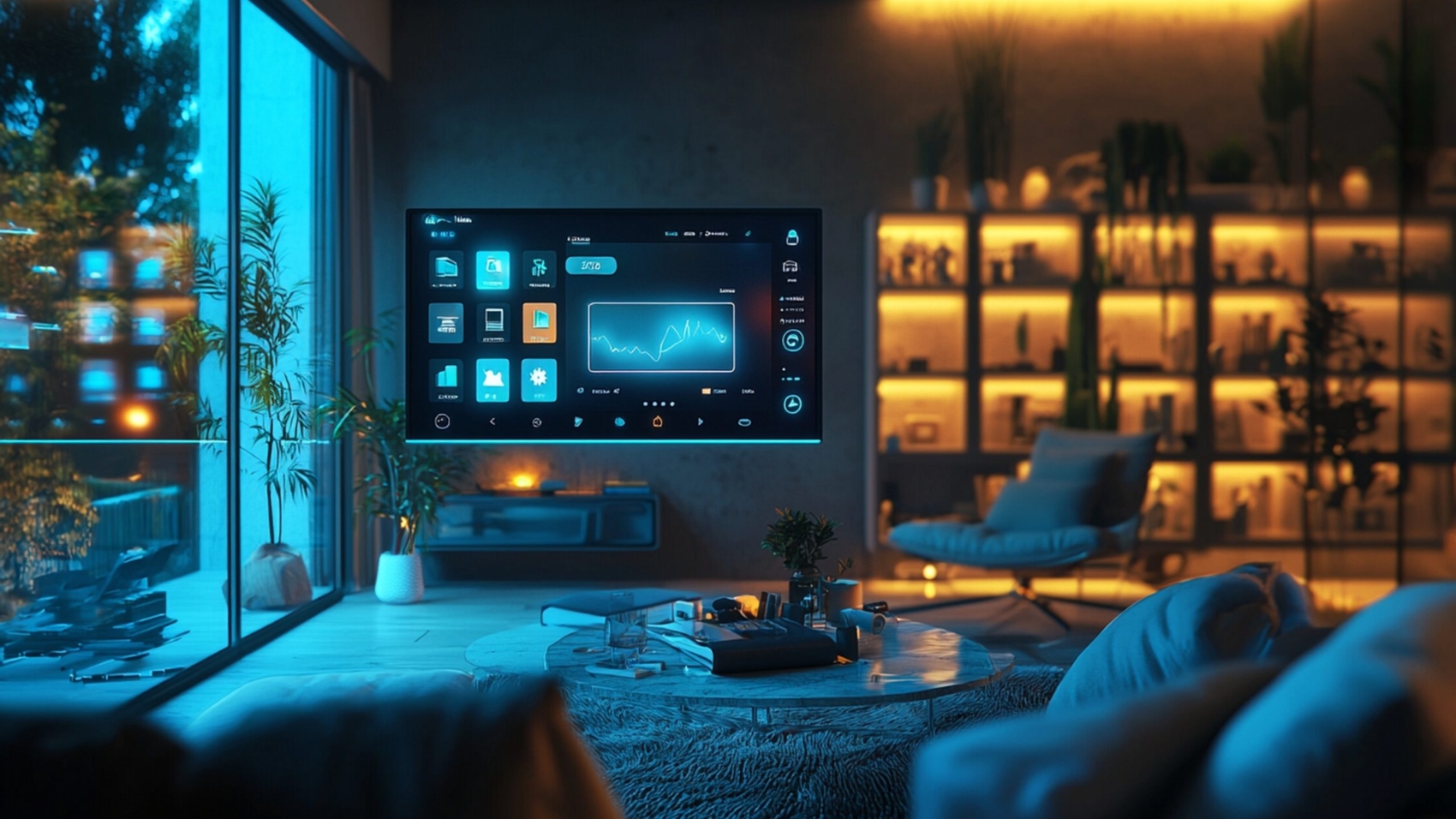
A compelling entertainment environment is created through the interaction of image, sound, lighting, acoustics, and physical space. While modern televisions and streaming platforms provide access to an enormous range of content, the quality of the experience depends on much more than display resolution or the number of available applications.

Connected entertainment systems allow these elements to be coordinated, creating a room that can transition from everyday viewing to music listening, gaming, or cinematic presentation.

Image Quality Begins with the Environment

Display performance is influenced by contrast, brightness, color reproduction, refresh rate, and viewing angle. The surrounding room contributes just as much to perceived quality.

Direct reflections can obscure dark scenes, while excessive ambient light may reduce perceived contrast. Screen placement and viewing distance also affect comfort, particularly during extended sessions.

Smart lighting can help establish suitable conditions for different activities. Dimmable ambient fixtures, indirect illumination, and adjustable background lights provide flexibility without requiring a dedicated theater room.

Sound Is a Spatial Experience

Audio quality depends on both equipment and acoustics. Soundbars can improve dialogue clarity, while multi-speaker arrangements may create a broader sense of space and direction.

Room geometry, speaker placement, reflective surfaces, and furniture influence the sound reaching the listener. Calibration software can help balance levels, but it cannot fully correct every physical limitation.

Wireless audio systems offer flexible installation, although compatibility, synchronization, and network performance should be evaluated before adding multiple speakers.

Coordinating Devices into One Experience

A centralized entertainment routine can dim selected lights, switch the television to an appropriate input, and activate compatible audio equipment. Universal remotes and supported control standards may reduce the need to manage each component separately.

However, automation should not obscure basic functionality. Users need clear ways to change inputs, adjust volume, and operate equipment when an integration fails.

A well-designed interface prioritizes common actions rather than presenting every available setting at once.

Connectivity Is Part of Performance

Streaming, cloud gaming, and online multiplayer experiences depend on network conditions. Wireless signal strength, interference, competing traffic, and the capabilities of the router can all affect performance.

Wired connections may be preferable for stationary devices when practical. For wireless systems, access-point placement and appropriate network configuration can improve reliability.

Troubleshooting should distinguish between local network problems, device limitations, and interruptions originating from an external service.

Immersion Without Excess

Ambient lighting effects, synchronized audio, and automated scenes can create a more engaging experience, but excessive effects may become distracting. The ideal arrangement depends on the content, room size, and personal preference.

An effective entertainment environment is carefully balanced. Every component contributes to the overall experience, yet none should require constant attention. When visual quality, acoustics, connectivity, and controls work together, the technology becomes a natural extension of the room.

Beyond the Thermostat: Engineering Personal Comfort

Comfort is often described as a simple matter of temperature, yet the experience of an indoor environment depends on several interacting conditions. Air movement, humidity, radiant heat, sunlight, clothing, and personal preferences can all influence whether a room feels pleasant or uncomfortable.

Modern environmental-control technology is beginning to address this complexity through connected sensors, programmable equipment, and more responsive control strategies.

Why One Temperature Cannot Suit Every Room

A single thermostat provides only a limited picture of an entire home. A sunlit room may become warm while an interior bedroom remains cool. Cooking equipment can temporarily increase the temperature in a kitchen, while an occupied workspace may require different conditions from an unused guest room.

Multi-zone systems and strategically placed sensors can reveal these differences. Depending on the equipment, separate areas may receive independent temperature settings, allowing the environment to respond to actual conditions rather than a single measurement.

Sensor accuracy matters. A reading taken near a window, heating outlet, or appliance may not represent the conditions experienced elsewhere in the room. Thoughtful placement is therefore essential to meaningful automation.

Humidity, Air Movement, and Indoor Conditions

Temperature alone does not determine comfort. Relative humidity influences how the body experiences heat, while ventilation and air movement affect freshness and perceived stuffiness.

Connected humidity sensors can support ventilation routines, identify persistent moisture patterns, and help users understand how activities such as cooking or showering affect indoor conditions. Certain systems can coordinate compatible fans, dehumidifiers, or other environmental equipment.

These measurements should be interpreted carefully. A humidity reading does not establish the presence of mold, and a general air-quality sensor cannot detect every possible indoor contaminant. Appropriate equipment, maintenance, and professional assessment may still be necessary when specific problems arise.

Learning Preferences Without Removing Control

Some smart thermostats can analyze adjustment patterns and recommend schedules based on recurring behavior. Others use occupancy sensors or time-based settings to reduce unnecessary heating and cooling.

However, personal routines are rarely perfectly predictable. Flexible work schedules, visitors, changing weather, and seasonal habits can make rigid assumptions ineffective.

A better system treats automation as a starting point. It can suggest adjustments or manage routine conditions while allowing occupants to change settings immediately. Clear explanations of automated decisions make the system easier to trust.

Quiet Efficiency as a Design Objective

Comfortable environmental control should operate without drawing unnecessary attention. Excessive fan noise, frequent temperature swings, and abrupt changes can undermine the advantages of automation.

Equipment sizing, insulation, airflow, maintenance, and control logic remain fundamental. Smart software can improve coordination, but it cannot compensate fully for poorly designed heating or cooling equipment.

Personal comfort is ultimately a relationship between the building, its systems, and the people using it. Connected technology becomes valuable when it recognizes that relationship and makes adjustments that are measured, understandable, and easy to personalize.

photo_2026-10-14_11-11-16

A More Sustainable Home Through Smarter Resource Management

Sustainability within a home involves more than reducing electricity consumption. Water use, heating demand, appliance efficiency, material durability, maintenance practices, and equipment replacement all influence the resources required to operate a household.

Smart technology can make some of these factors easier to measure and manage. Its environmental value, however, depends on how effectively it changes actual behavior and how much additional equipment and energy it requires.

Measuring Before Making Changes

Energy monitors, smart plugs, and compatible utility dashboards can reveal when electricity is consumed and which devices contribute to demand. This information helps identify patterns that may otherwise remain hidden.

A connected thermostat can support more precise heating and cooling schedules, while smart lighting can reduce unnecessary operation in suitable circumstances.

Measurement provides a starting point, not proof of improvement. Consumption should be evaluated across comparable periods because weather, occupancy, and changes in household activity can influence the results.

Water Monitoring and Early Detection

Water-related technology can provide another layer of resource awareness. Flow monitors may track consumption, while leak detectors can identify water in locations where it should not be present.

Some systems can recognize unusual flow patterns or work with compatible shutoff valves. These features may help limit damage and identify waste, but detection accuracy and response capabilities vary between products.

A sensor should be placed where a leak is likely to become detectable, and its notification system should be tested. Plumbing maintenance and appropriate installation remain essential.

The Value of Maintaining Existing Equipment

Replacing an appliance solely because a newer model has smart features may not produce the best environmental outcome. Manufacturing, transportation, installation, and disposal all involve resources.

Extending the useful life of suitable equipment through maintenance and repair can be an important consideration. When replacement becomes necessary, energy and water efficiency, repairability, spare-part availability, and expected service life should be evaluated alongside connectivity.

Smart diagnostics may help identify unusual operating conditions, but professional inspection may still be required to determine the cause.

Coordinating Energy Sources and Demand

Where compatible equipment is available, household energy-management systems can coordinate selected loads with solar generation, battery storage, or variable electricity conditions.

For example, certain charging or appliance tasks may be scheduled to align with periods of greater on-site energy availability. The actual result depends on system capacity, household demand, equipment compatibility, and local operating arrangements.

Automation should preserve essential needs. A resource-management routine should not create unsafe temperatures, interrupt critical equipment, or operate appliances contrary to manufacturer guidance.

The Environmental Cost of Connectivity

Smart devices also consume resources. They require electronic components, network infrastructure, software maintenance, and eventual replacement. Some remain connected continuously, while others operate intermittently or use low-power communication methods.

Choosing durable products with appropriate functionality can reduce unnecessary hardware turnover. Long software support, repair options, replaceable batteries, and the ability to perform essential functions without external services can contribute to longer useful life.

From Automated Features to Measurable Progress

A sustainable smart home is not defined by the number of connected products it contains. It is defined by whether those products support more informed decisions, reduce avoidable waste, and remain useful over time.

The strongest approach combines measurement, efficient equipment, maintenance, and practical automation. Technology then becomes one part of a broader resource-management strategy rather than a substitute for it.